

Ultrasound scanners
ULTRASOUND
Ultrasound machine (ultrasound diagnostic machine) - is an equipment used to visualise the internal organs, tissues and structures of the patient's body during the examination. The device works on the basis of the reflection of ultrasound waves passing through the body and converted into an ultrasound image that reflects the condition and boundaries of soft tissues and internal organs in the body. This allows medical personnel to diagnose problems and make decisions about treatment programmes.
How ultrasound machines work
An ultrasound machine uses high-frequency sound waves that penetrate the body and bounce off internal organs and tissues. The reflected waves are returned to the machine and converted into an image. The device records the reflected waves. Patterns of these reflections are used to create visualisations of the internal organs and tissues of the body.
The frequency of ultrasound waves in medicine ranges from 2 to 17 MHz. The higher the frequency, the shorter the wavelength and the greater the absorption. Reducing the frequency and absorption allows for the study of deeper body structures, while superficial body structures can be examined by increasing the frequency of the ultrasound machine.
Frequencies of ultrasound machines
Here are the frequencies used to examine different parts of the body:
- 2.5 MHz: is used for abdominal ultrasound to examine the deep abdomen, as well as for obstetric and gynaecological applications.
- 3.5 MHz: shifts the examination from deep to general abdominal areas in obstetric and gynaecological applications.
- 5 MHz: is used to examine the circulatory system, lymph nodes, pelvic area and mammary glands.
- 7.5 MHz: This frequency is used to examine the mammary glands and thyroid gland.
- 10 MHz: is used to examine the mammary glands and thyroid gland, as well as to analyse superficial veins and lesions. It is also used to analyse the musculoskeletal system.
- 15 MHz: This frequency also studies the musculoskeletal system and other surface formations.
The main advantages of ultrasound machines
- Mobility and ease of use. Lightweight and manoeuvrable, it allows for diagnostics and monitoring in a variety of settings, including hospitals, outpatient clinics and polyclinics.
- Resolution. Ultrasound machines are able to distinguish the smallest details of organ and tissue structures.
- Comfort of the procedure. Medical ultrasound is one of the few non-invasive procedures. The entire process takes place externally, without any intervention and without causing pain.
- No harmful radiation. Ultrasound machines do not emit harmful radiation compared to X-rays and computed tomography.
- Visualisation of soft tissues. They make it possible to visualise soft tissues that are not visible on X-rays.
- Real-time mode. Ultrasound imaging is a real-time imaging method that provides fast results.
- Types of sensors. Different types of transducers (abdominal, transvaginal, transrectal, etc.) are used for different medical examinations and body areas;
- Modulation of Doppler signals. It allows you to assess blood flow in blood vessels, which is important for cardiology and other medical specialties;
- Software and scanning modes. The availability of different modes (2D, 3D, Doppler, elastography, etc.) expands the device's capabilities for diagnosing and recording changes in tissue structures.
Showing 1–18 of 31 results
-

Cygnus 70 Focus & Fusion automated 3D ultrasound system for breast diagnostics (PRC)
SPECIFY PRICE Add to basket -
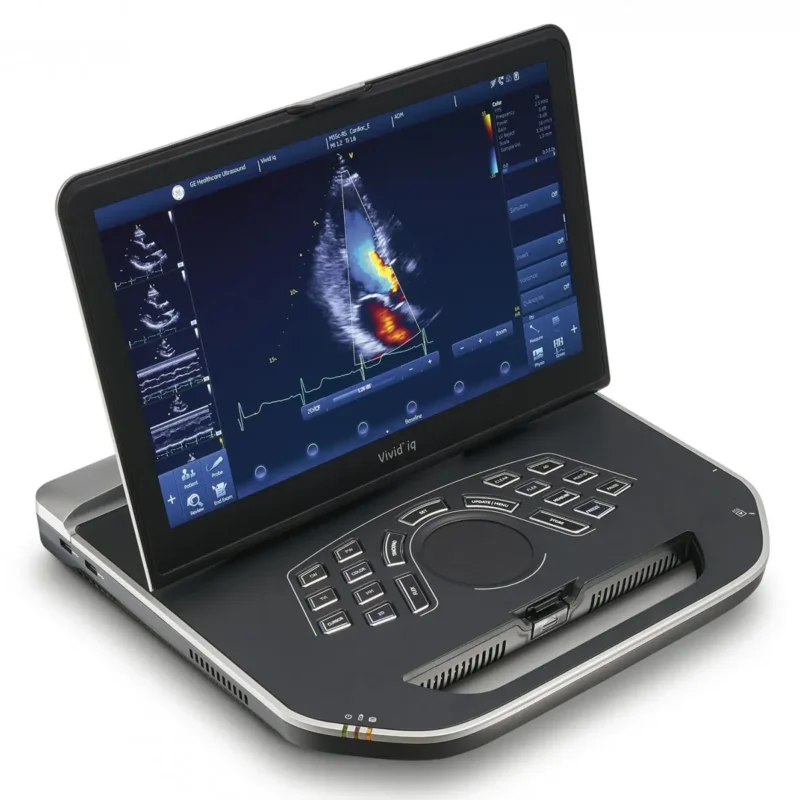
Portable ultrasound diagnostic system, complete with two Vivid IQ Premium transducers from GE Healthcare (USA)
6 005 000.00 ₴ Add to basket -
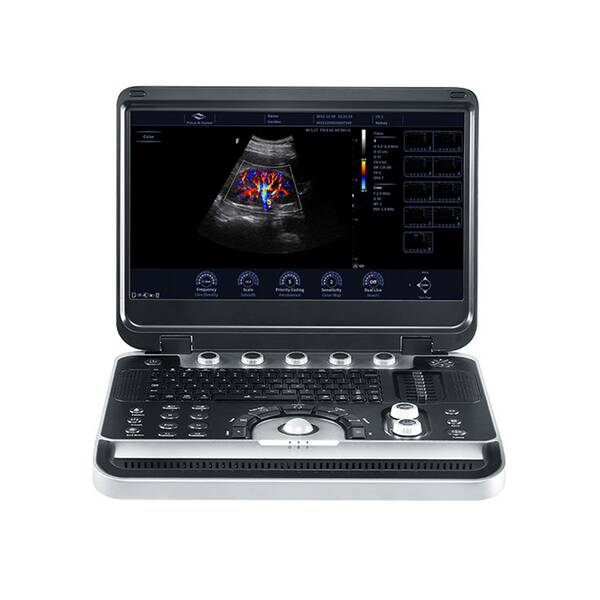
Portable high-end ultrasound diagnostic system Finus 50 + 2 Focus & Fusion transducers
949 810.00 ₴ Add to basket -
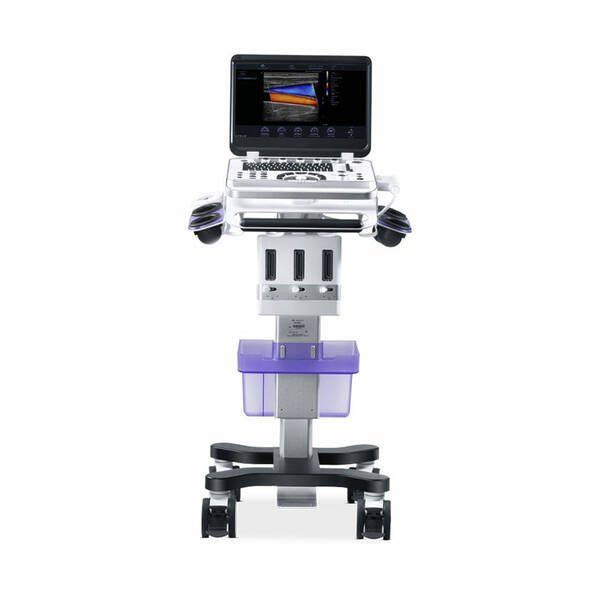
Portable expert-class ultrasound diagnostic system Finus 70 + 2 Focus & Fusion transducers
1 232 150.00 ₴ Add to basket -
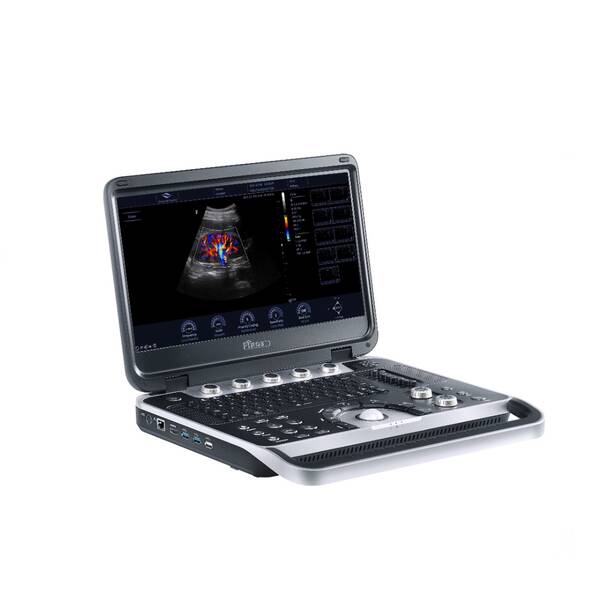
Finus 45 Focus&Fusion (China) – a mid-range portable ultrasound diagnostic system
738 150.00 ₴ Add to basket -
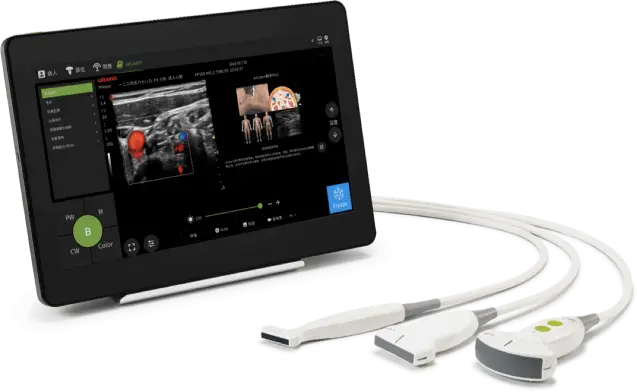
PILOTER PORTABLE ULTRASOUND SYSTEM by Shenzhen Wisonic Medical Technology
838 000.00 ₴ Add to basket -
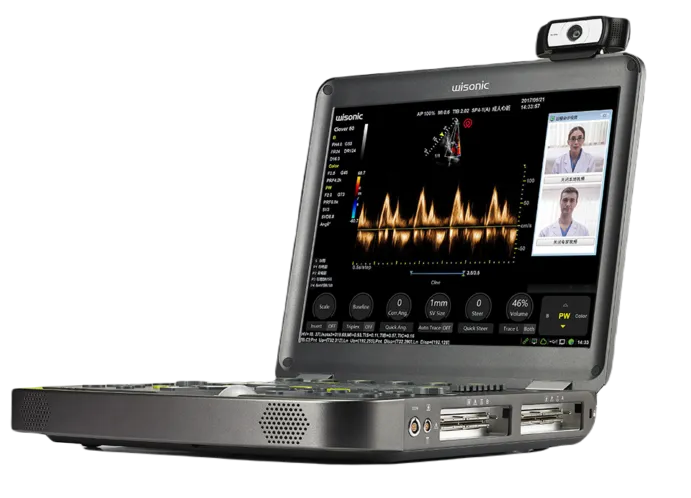
CLOVER 60 PORTABLE EXPERT-CLASS ULTRASOUND SYSTEM by Shenzhen Wisonic
970 000.00 ₴ Add to basket -
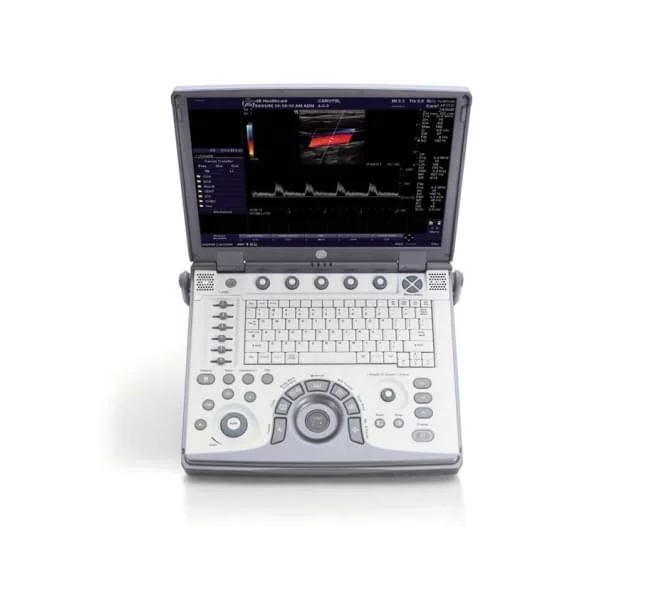
The LOGIQ E portable multi-purpose ultrasound scanner from GE Healthcare for general imaging
10.00 ₴ Add to basket -
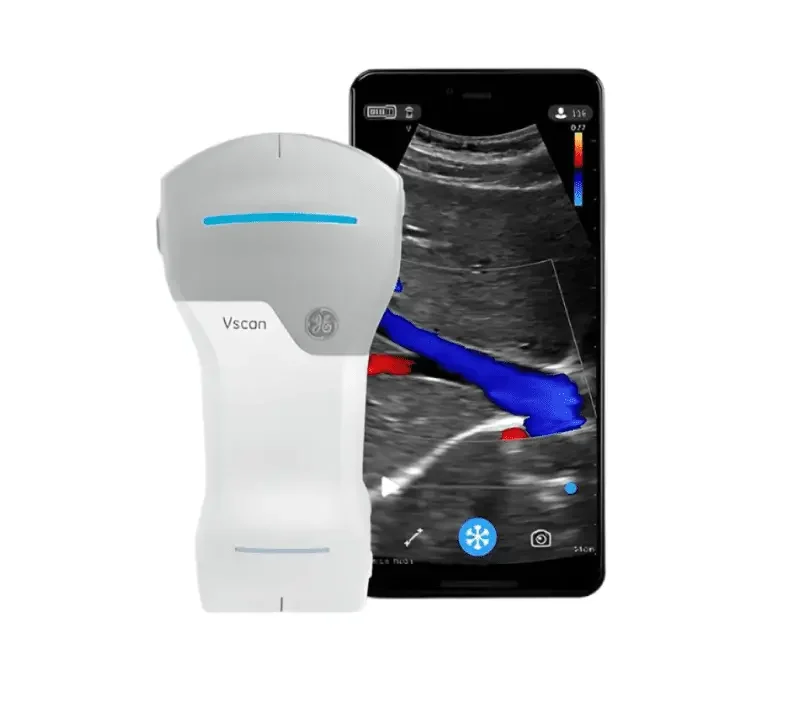
Portable ultrasonic device Vscan Air CL GE Healthcare (USA)
475 000.00 ₴ Add to basket -
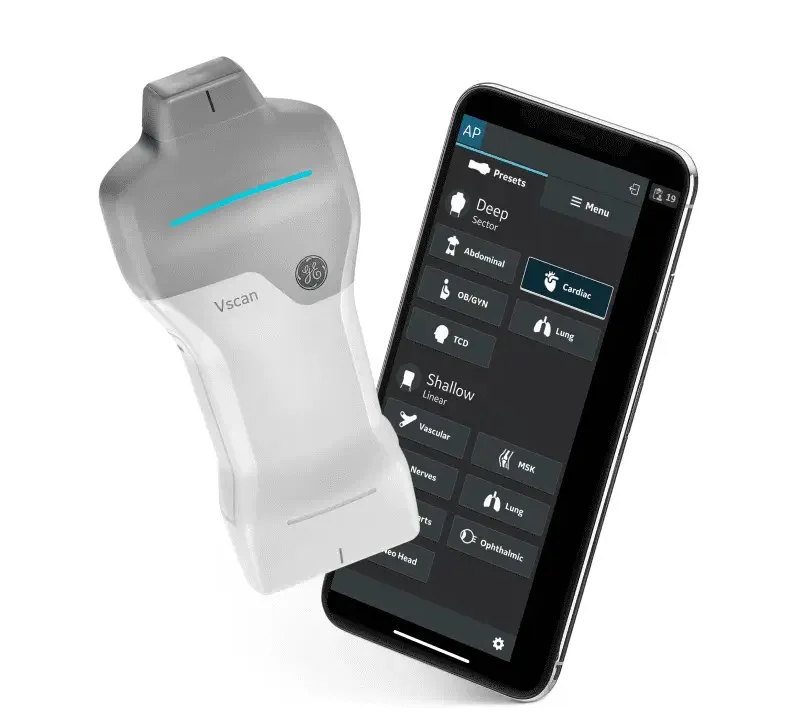
Portable ultrasound machine Vscan Air SL GE Healthcare (USA)
475 000.00 ₴ Add to basket -
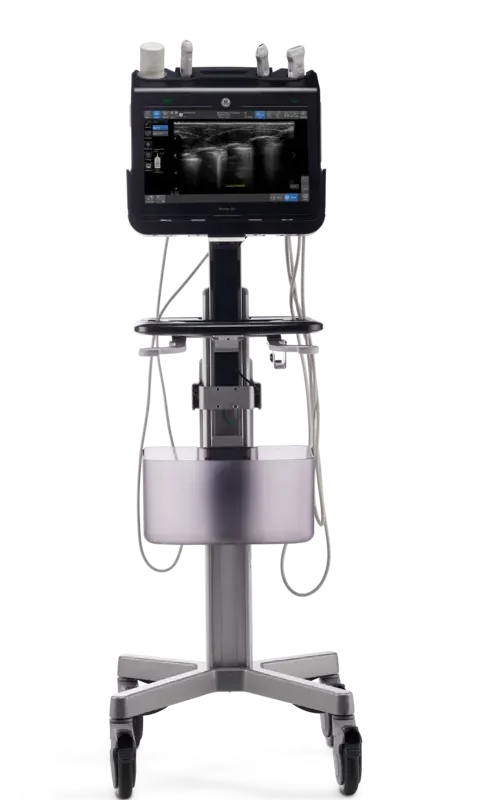
Portable ultrasound machine complete with two transducers Venue GO GE Healthcare (USA)
3 268 000.00 ₴ Add to basket -
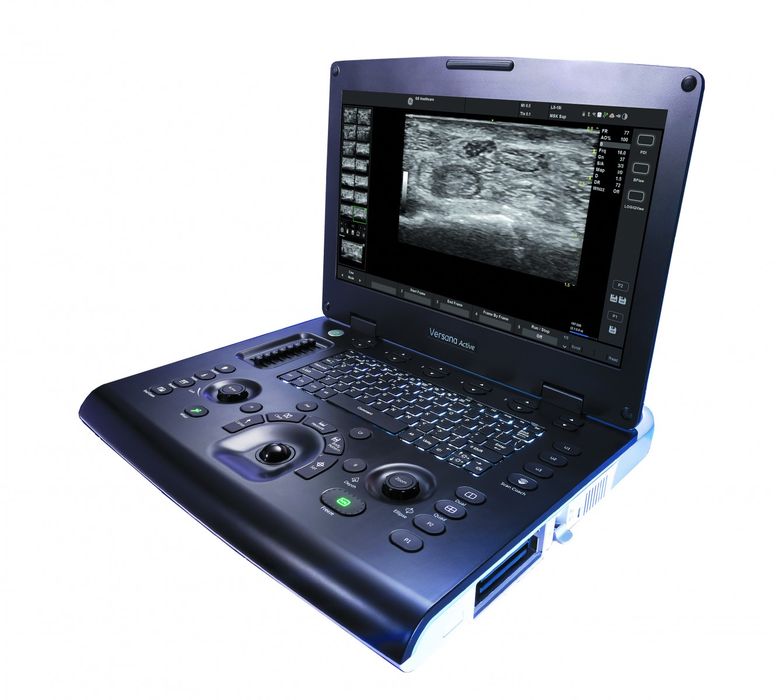
High-end portable ultrasound scanner + 2 transducers – Versana Active by GE Healthcare
1 360 000.00 ₴ Add to basket -
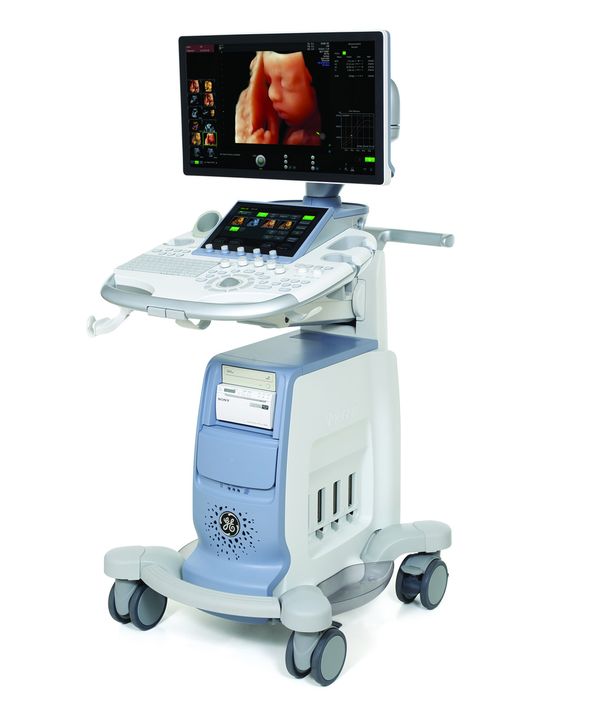
GE Healthcare (USA) Voluson S10 Expert ultrasound diagnostic system, complete with two transducers
7 505 000.00 ₴ Add to basket -
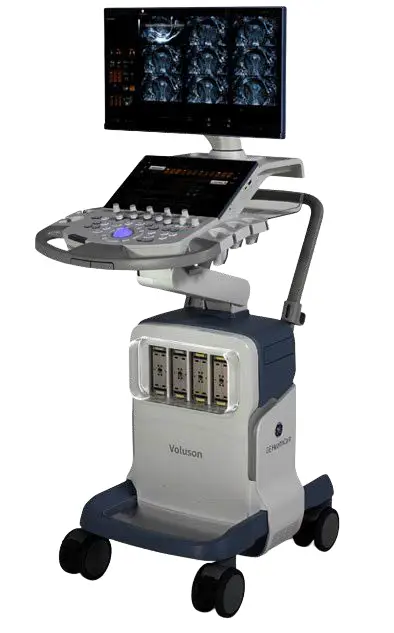
GE Healthcare (USA) Voluson Signature 18 ultrasound diagnostic system, complete with two transducers
5 101 500.00 ₴ Add to basket -
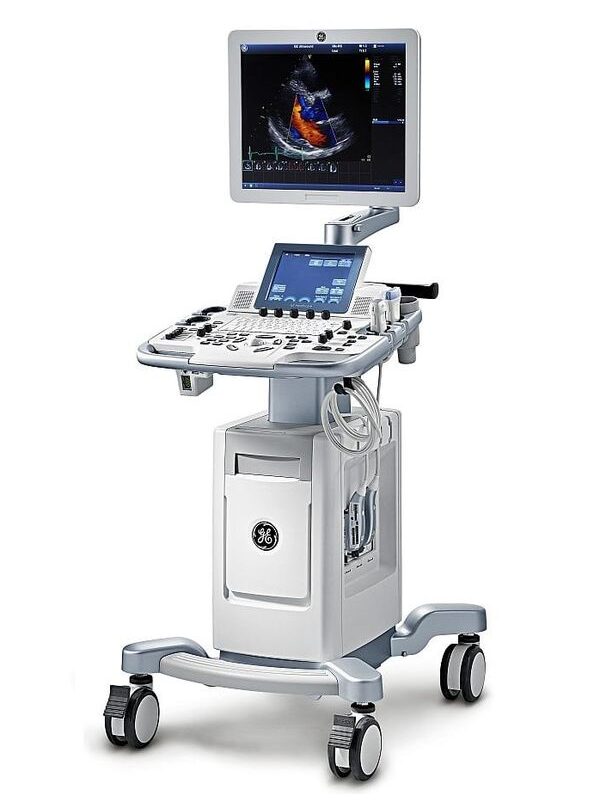
Vivid T8 stationary ultrasound diagnostic system, complete with two transducers, from GE Healthcare (USA)
2 565 000.00 ₴ Add to basket -

Vivid T9 stationary ultrasound diagnostic system, complete with two transducers from GE Healthcare (USA)
3 705 000.00 ₴ Add to basket -
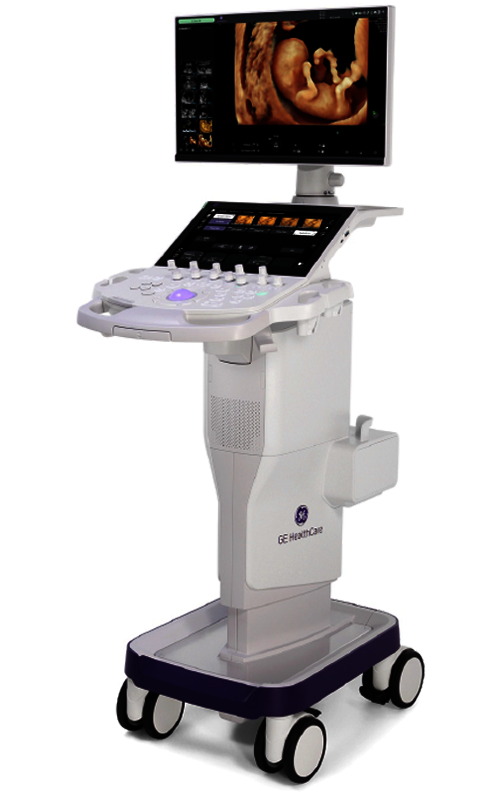
Voluson Performance stationary ultrasound diagnostic system, supplied with two Healthcare (USA) transducers
2 698 000.00 ₴ Add to basket -
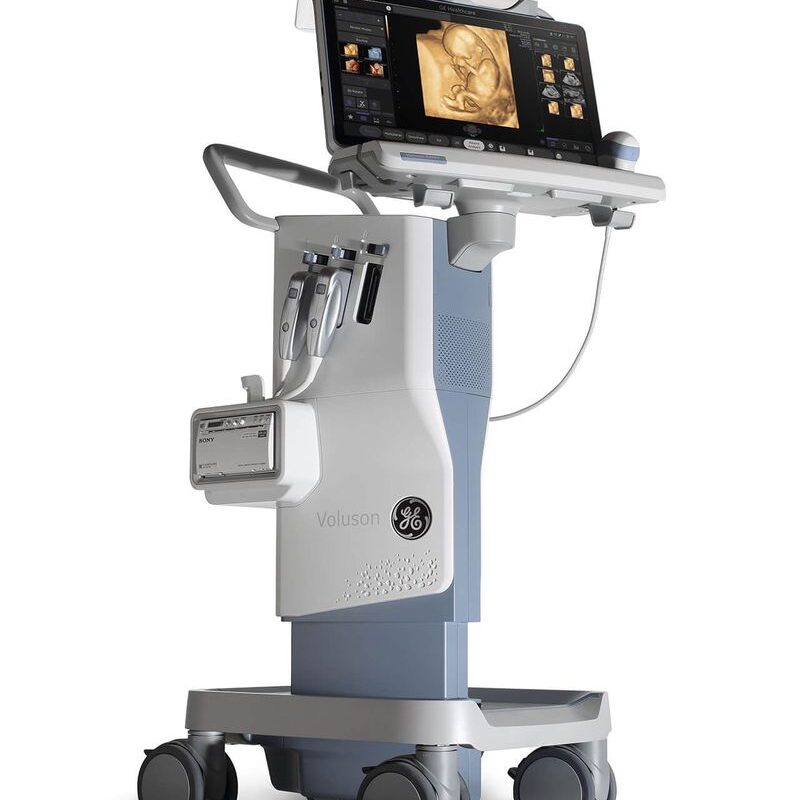
Voluson Swift stationary ultrasound diagnostic system, complete with two transducers from GE Healthcare (USA)
4 265 500.00 ₴ Add to basket