

Electrocardiographs
Electrocardiographs
Electrocardiograph - is a device that helps to quickly and accurately diagnose problems in the heart. During the diagnosis, the ECG device reads and records electrical impulses, the results are displayed on an electrocardiogram, and the doctor analyses the indicators.
The main functions and tasks of an electrocardiograph
The device determines important parameters that allow specialists to diagnose various cardiac pathologies and select treatment in a timely manner.
The cardiograph determines:
- the frequency and regularity of heartbeats;
- cardiac rhythm disorders and malfunctions (extrasystoles, arrhythmias, tachycardias).
The information obtained helps to identify existing abnormalities and establish a diagnosis, on the basis of which treatment is planned.
Pathologies and diseases that can be diagnosed based on ECG data:
- heart attack;
- ischaemia;
- blockages (conduction disorders);
- thromboembolism of the pulmonary artery;
- left ventricular hypertrophy;
- Other.
It is difficult to overestimate the importance of an ECG machine, so all medical institutions whose work is focused on the treatment and timely response to critical conditions of patients should buy an electrocardiograph. First aid centres should have this equipment for primary diagnosis and the ability to identify acute conditions of patients. It is mandatory to have electrocardiographs in cardiology departments, cardiac clinics, intensive care units and emergency rooms, private clinics, and ambulances.
Showing all 13 results
-

Electrocardiograph 1 - channel 1101G Carewell
SPECIFY PRICE Add to basket -

Електрокардіограф 1/3 канальний портативний Heaco 100G
24 000.00 ₴ Add to basket -

Electrocardiograph 12 - channel 1112M Carewell
49 000.00 ₴ Add to basket -
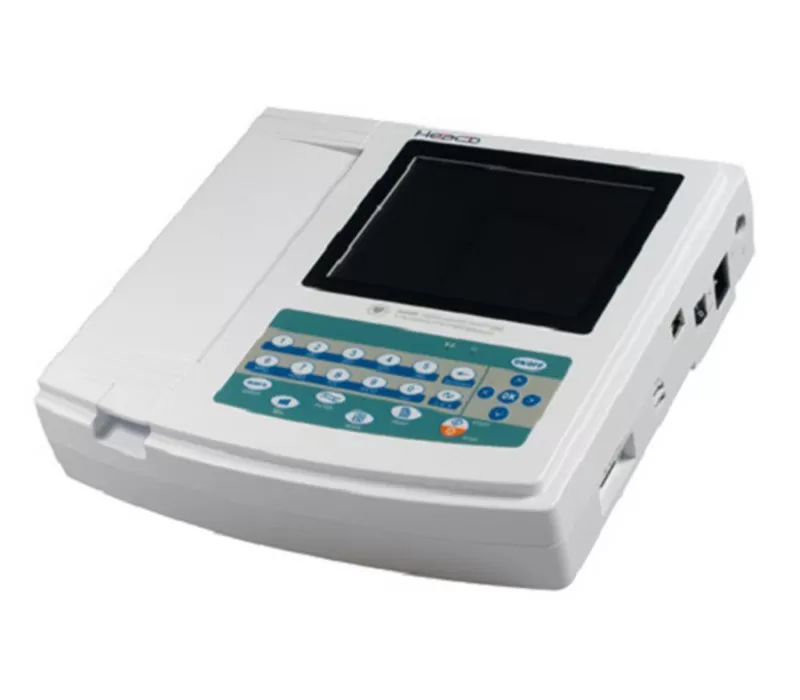
Електрокардіограф 12-канальний Heaco 1201
54 000.00 ₴ Add to basket -
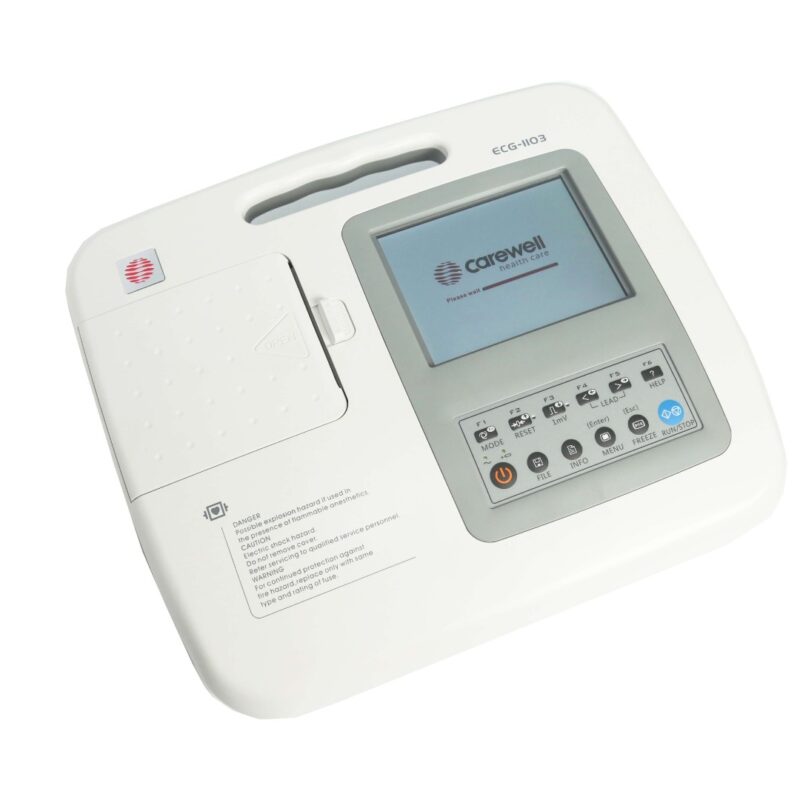
Electrocardiograph 3 - channel 1103L Carewell
31 000.00 ₴ Add to basket -
Електрокардіограф 3-канальний з 12 відведеннями Heaco 300G
27 500.00 ₴ Add to basket -
Електрокардіограф 3/4/12 канальний Heaco 300G LCD без виходу на ПК
23 600.00 ₴ Add to basket -
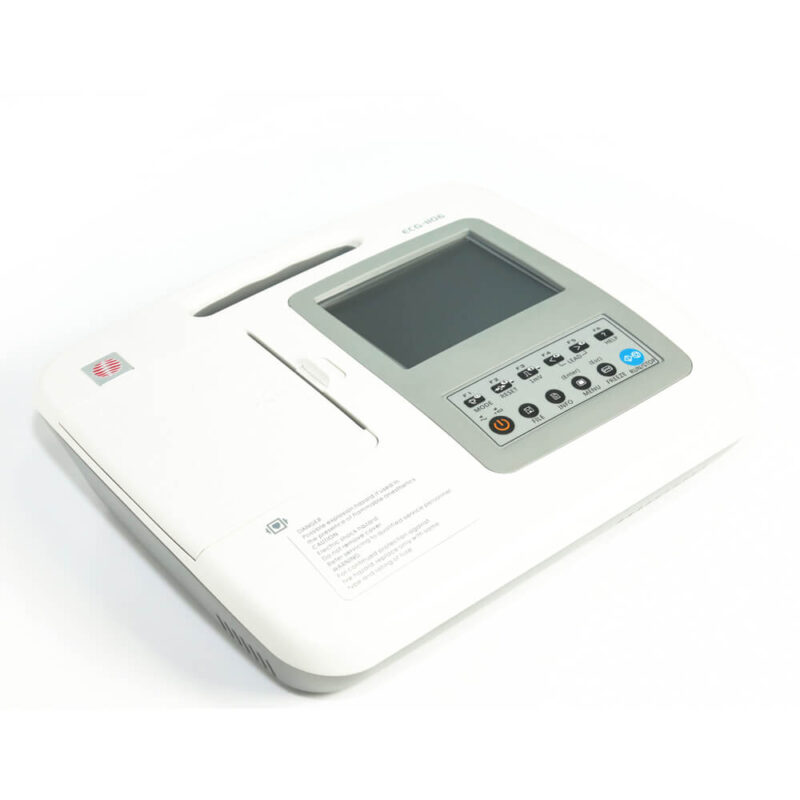
Electrocardiograph 6-channel 1106L Carewell
40 820.00 ₴ Add to basket -
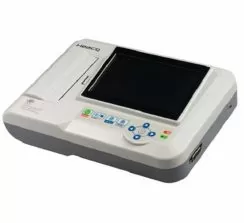
Електрокардіограф 6-канальний з 12 відведеннями Heaco 600G
39 300.00 ₴ Add to basket -

Electrocardiograph NEO ECG S120 Carewell
52 600.00 ₴ Add to basket -

Electrocardiograph NEO ECG T180 Carewell
70 020.00 ₴ Add to basket -
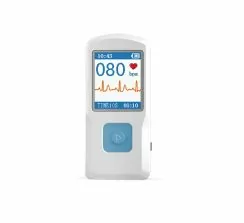
Портативний ЕКГ-апарат PM10
3 790.00 ₴ Add to basket -
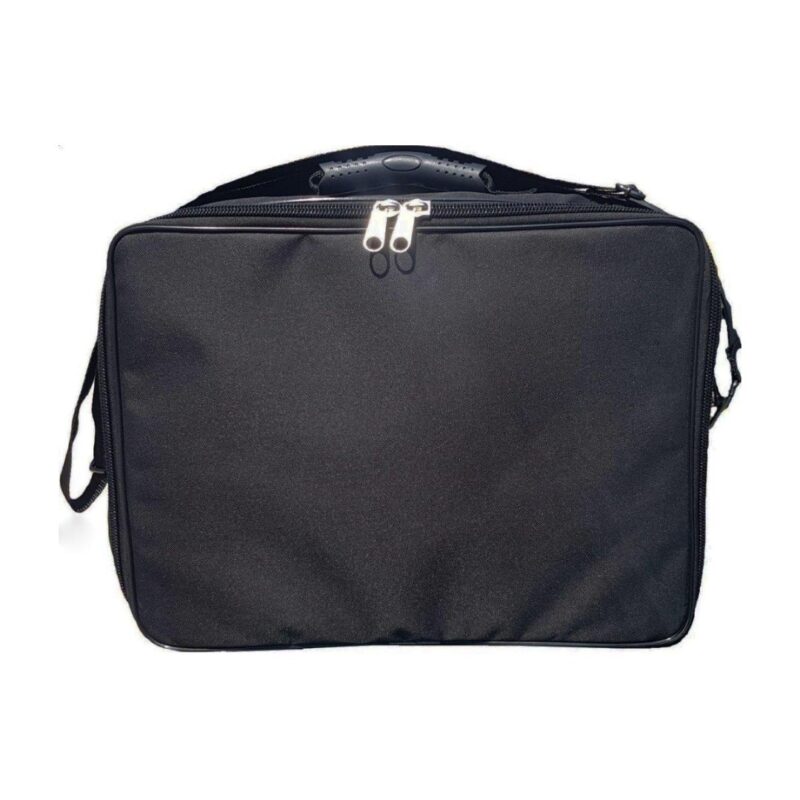
Bag for Carewell Electrocardiograph
1 700.00 ₴ Add to basket