

Haemostasis / Coagulology
Haemostasis / Coagulology
Coagulometer – is a medical device used for blood analysis and the diagnosis of haemostasis. It is used to determine the rate at which blood clots, which helps doctors make the correct diagnosis in the overall clinical context and select the appropriate treatment.
Coagulometers are indispensable in the diagnosis of cardiovascular diseases, blood disorders and liver diseases, as well as in cases where anticoagulants are being used and the patient requires regular monitoring of prothrombin time.
These instruments work by measuring the time taken for a fibrin clot to form in a test mixture. Depending on the method used to measure this time, coagulometers are classified as either mechanical or optical.
Mechanical coagulometers
Changes in the settling rate of the test mixture are recorded using a ball or another component. Most mechanical coagulometers are of the ball type.
Optical coagulometers
Changes in the optical characteristics of the sample are recorded. Some instruments may combine mechanical and optical recording principles.
Showing all 15 results
-

POCT analyser for the determination of COAG S Diagon
75 811.00 ₴ Add to basket -
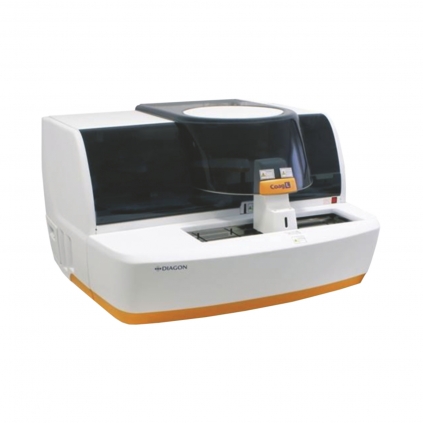
COAG L Diagon Automatic Coagulometer
1 462 409.00 ₴ Add to basket -
COAG L automatic coagulometer with Diagon cap-piercing function
1 565 120.00 ₴ Add to basket -

Automatic coagulometer COAG M Diagon
895 053.00 ₴ Add to basket -
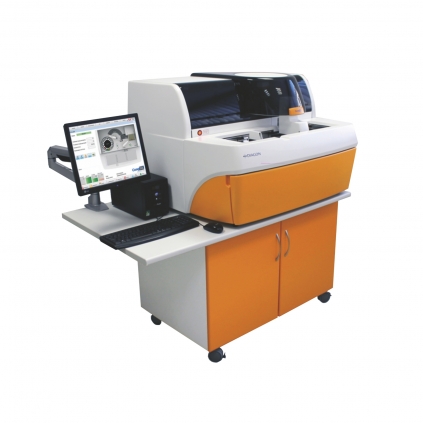
COAG XL Diagon Automatic Coagulometer
2 846 562.00 ₴ Add to basket -
COAG XL automatic coagulometer with Diagon cap-piercing function
2 949 273.00 ₴ Add to basket -
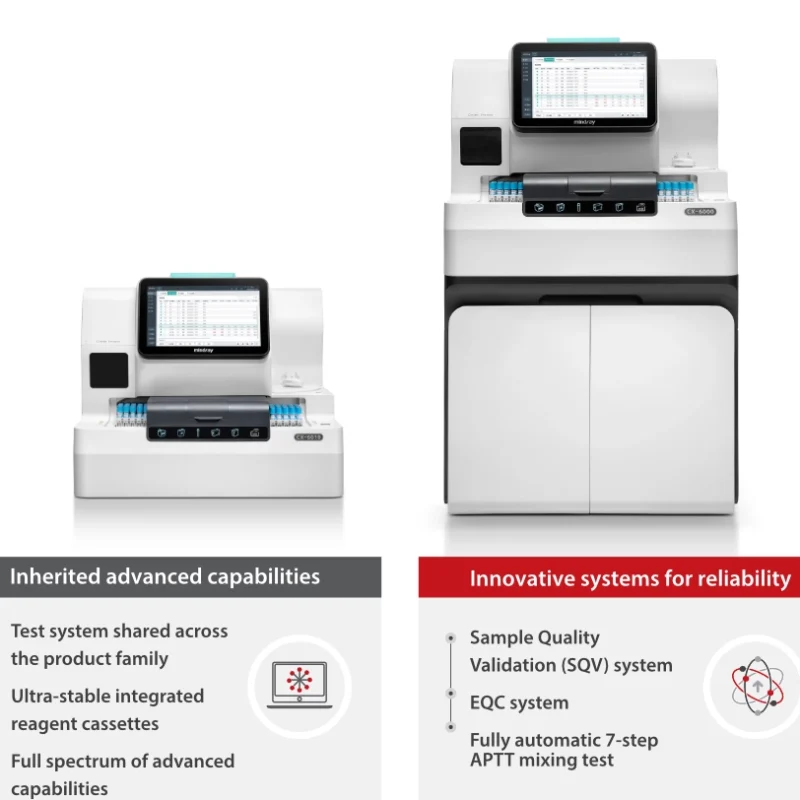
CX-6000 automatic coagulometer with Mindray cabinet
SPECIFY PRICE Add to basket -
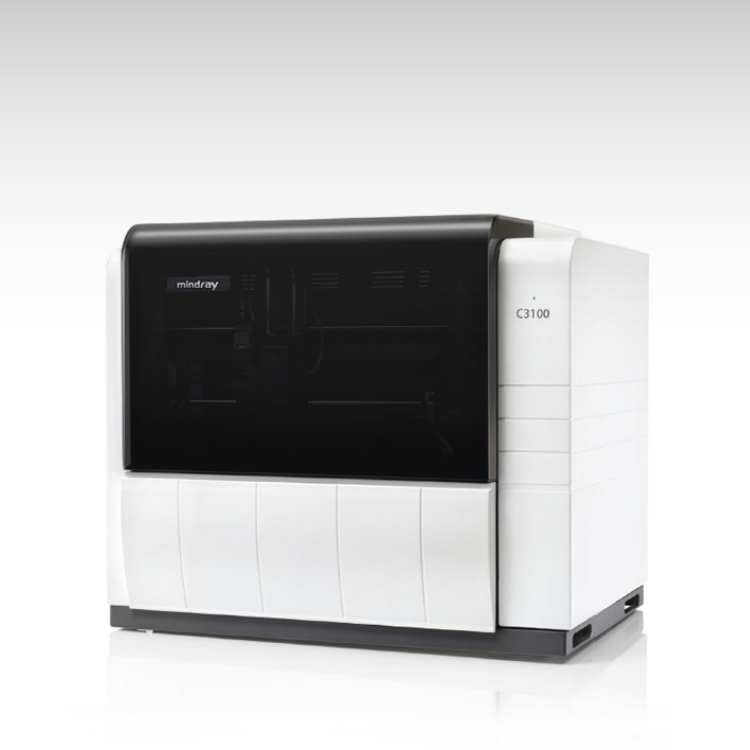
Automatic coagulometer C3100 Mindray
SPECIFY PRICE Add to basket -
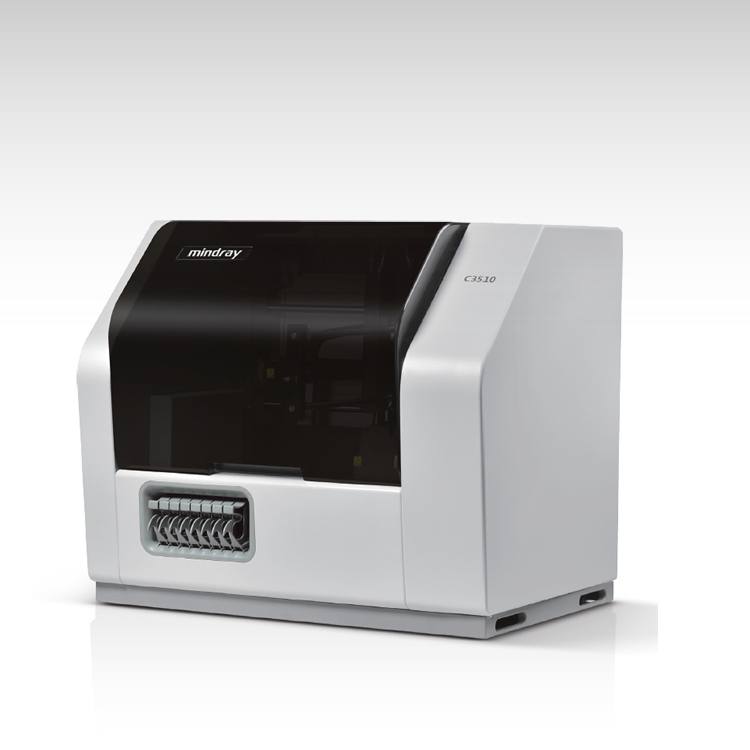
Automatic coagulometer C3510 Mindray
SPECIFY PRICE Add to basket -
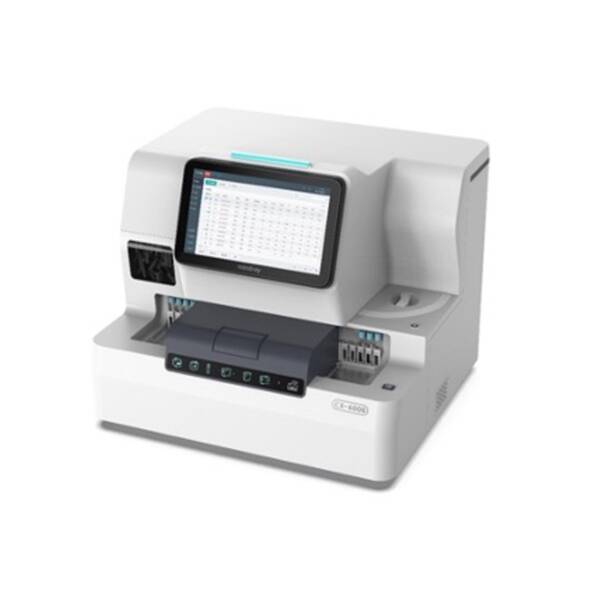
Mindray CX-6010 Automatic Coagulometer
SPECIFY PRICE Add to basket -
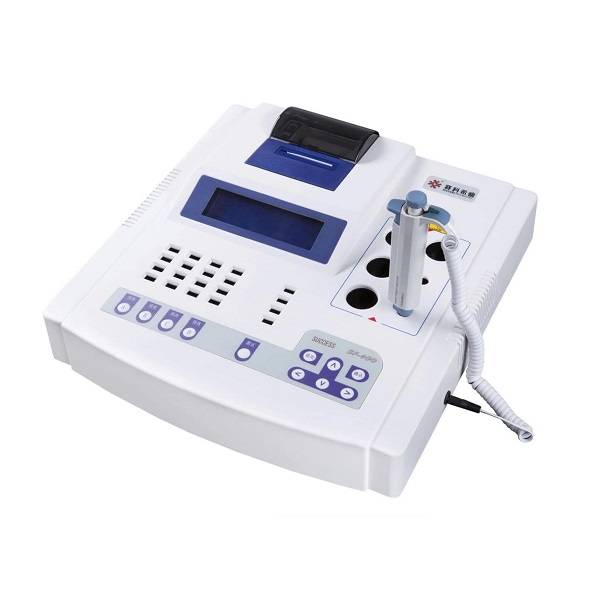
Semi-automatic 4-channel coagulometer SF-400 Succeeder
100 000.00 ₴ Add to basket -

Cuvettes for SF-400, 50 × 4 per pack, SF-VC4-5004
1 162.00 ₴ Add to basket -
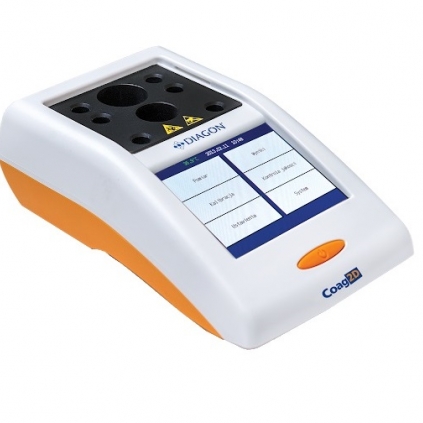
COAG 2D Diagon semi-automatic 2-channel coagulometer
97 820.00 ₴ Add to basket -
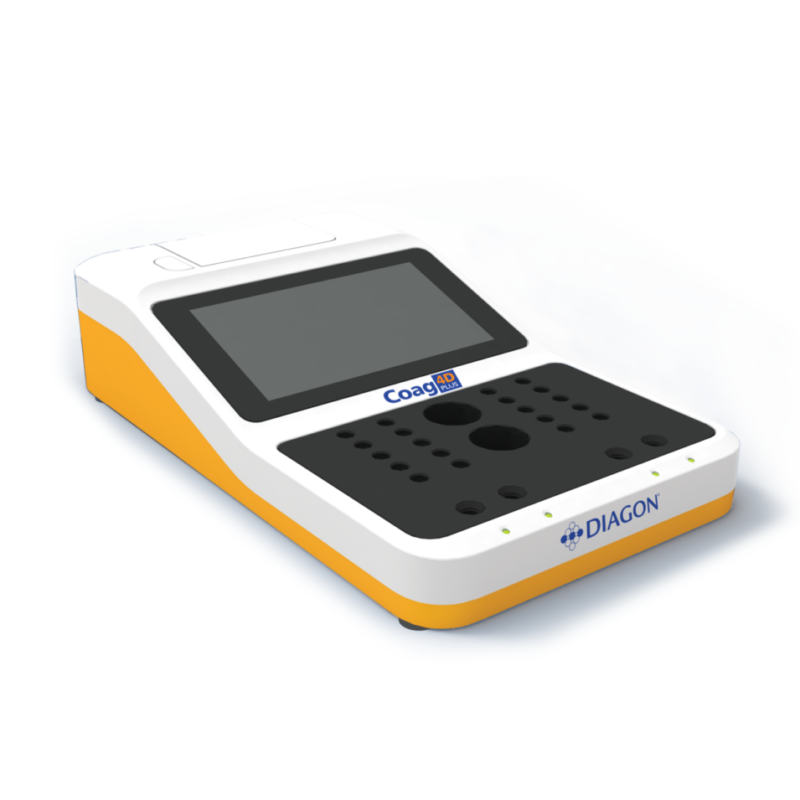
Semi-automatic 4-channel COAG4D Plus Diagon COAGULOMETER
171 696.00 ₴ Add to basket -
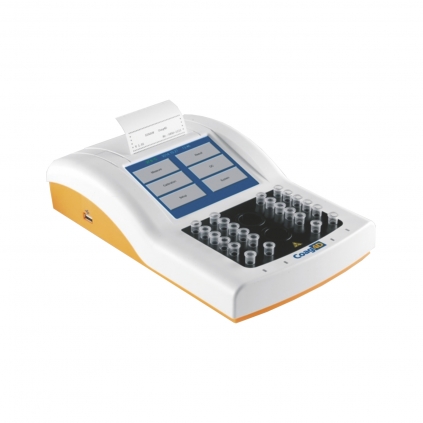
COAG4D/COAG4D D-DIMER + AT III Diagon semi-automatic 4-channel coagulometer
170 696.00 ₴ Add to basket